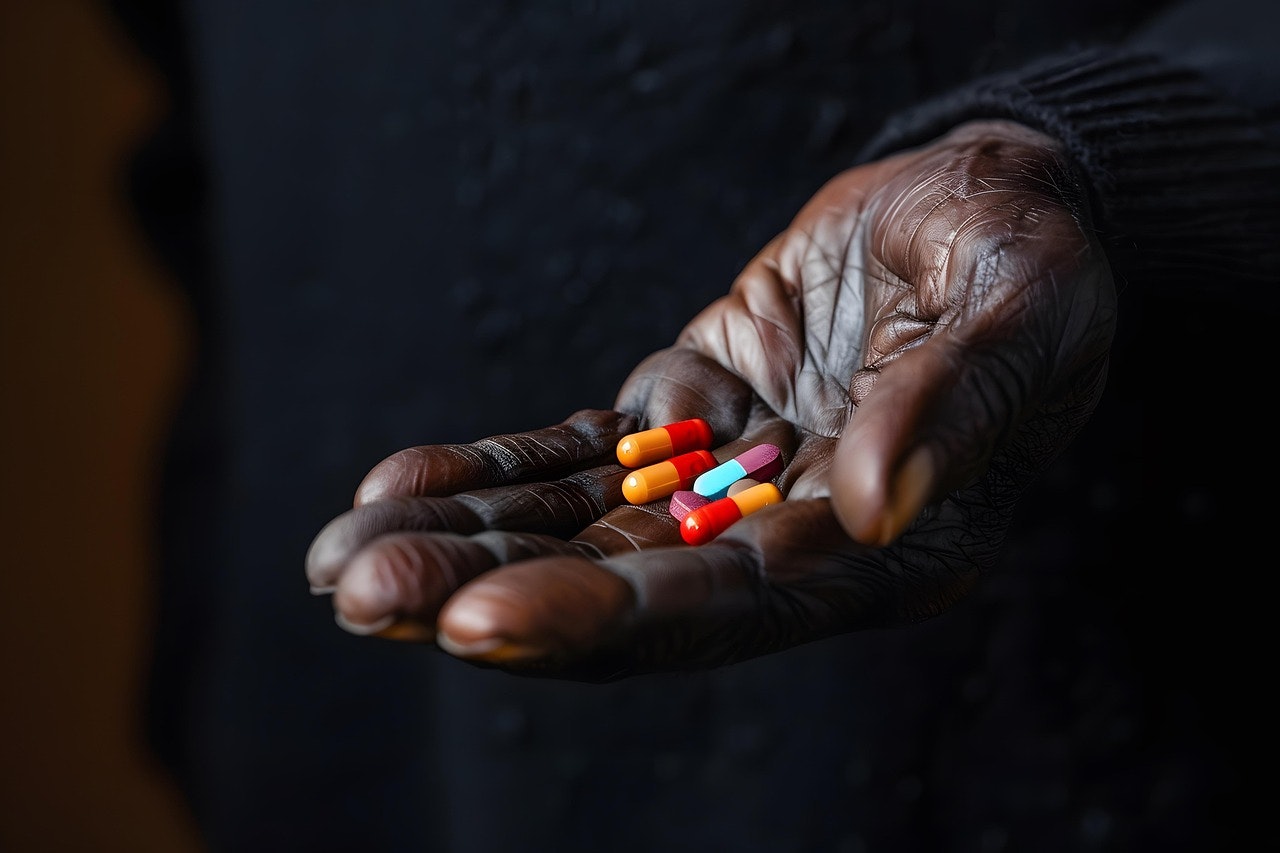
Understanding Victimization and Substance Misuse
One of the things that surprised me in my early years of this work was how often survivors talked about self-medicating with alcohol or other substances. At first, I wondered why. Then I started listening more deeply, and the answer became clear: they were trying to cope with unbearable pain in the only way they knew how.
What I've since learned from research and from sitting with hundreds of survivors is this: substance misuse in survivors of violence isn't a character flaw. It's often a symptom of trauma.
The Connection Between Trauma and Substance Use
When someone experiences domestic violence, sexual assault, or other crime victimization, their nervous system goes into overdrive. They're living in a state of hypervigilance, constantly scanning for danger, unable to relax, plagued by intrusive thoughts and nightmares. Anxiety, depression, and PTSD are incredibly common.
For many survivors, especially those without access to counseling or safe support, substances become a way to:
- Numb the pain: both emotional and sometimes physical
- Sleep: when nightmares and fear make rest impossible
- Escape briefly: from the memories and the ongoing danger
- Cope with shame: that many survivors carry, even though they did nothing wrong
The research backs this up. Studies show that survivors of intimate partner violence have significantly higher rates of substance misuse than the general population. And it makes sense: they're dealing with extraordinary circumstances and often with limited resources.
The Stigma Problem
What breaks my heart is when survivors encounter judgment instead of compassion. I've heard so many say things like: "I know I have a drinking problem, but when I tried to get help, people just saw me as a drunk. They didn't see what I was running from."
This stigma is dangerous. It keeps people isolated. It makes them less likely to reach out for help, both for the abuse and for substance use. And it can escalate their risk, because isolation is one of the things that makes abuse worse.
Healing Isn't Linear
Here's what I want survivors and their loved ones to know: recovery from violence and trauma isn't a straight line. It's not as simple as leaving and then being "fine." Real healing often takes time, professional support, and often multiple attempts.
If you or someone you love is struggling with substance use and has experienced abuse:
- You need support for both. Ideally, trauma-informed addiction support that understands the connection.
- You deserve compassion, not judgment. There's no shame in needing help. You're not weak; you're surviving.
- Safety comes first. Before diving into substance use treatment, it helps to work with someone who understands your abusive situation and can help you stay safe.
- Resources exist. Counseling, support groups, medication-assisted treatment, and other options are available, often for free or on a sliding scale.
A New Hope Center can connect you with counseling and resources for both trauma and substance support. Call or text 607.687.6866, anytime.
We don't judge. We just help.